
News/Blogs
Digital Payment Reconciliation Between Procurement and Finance Teams
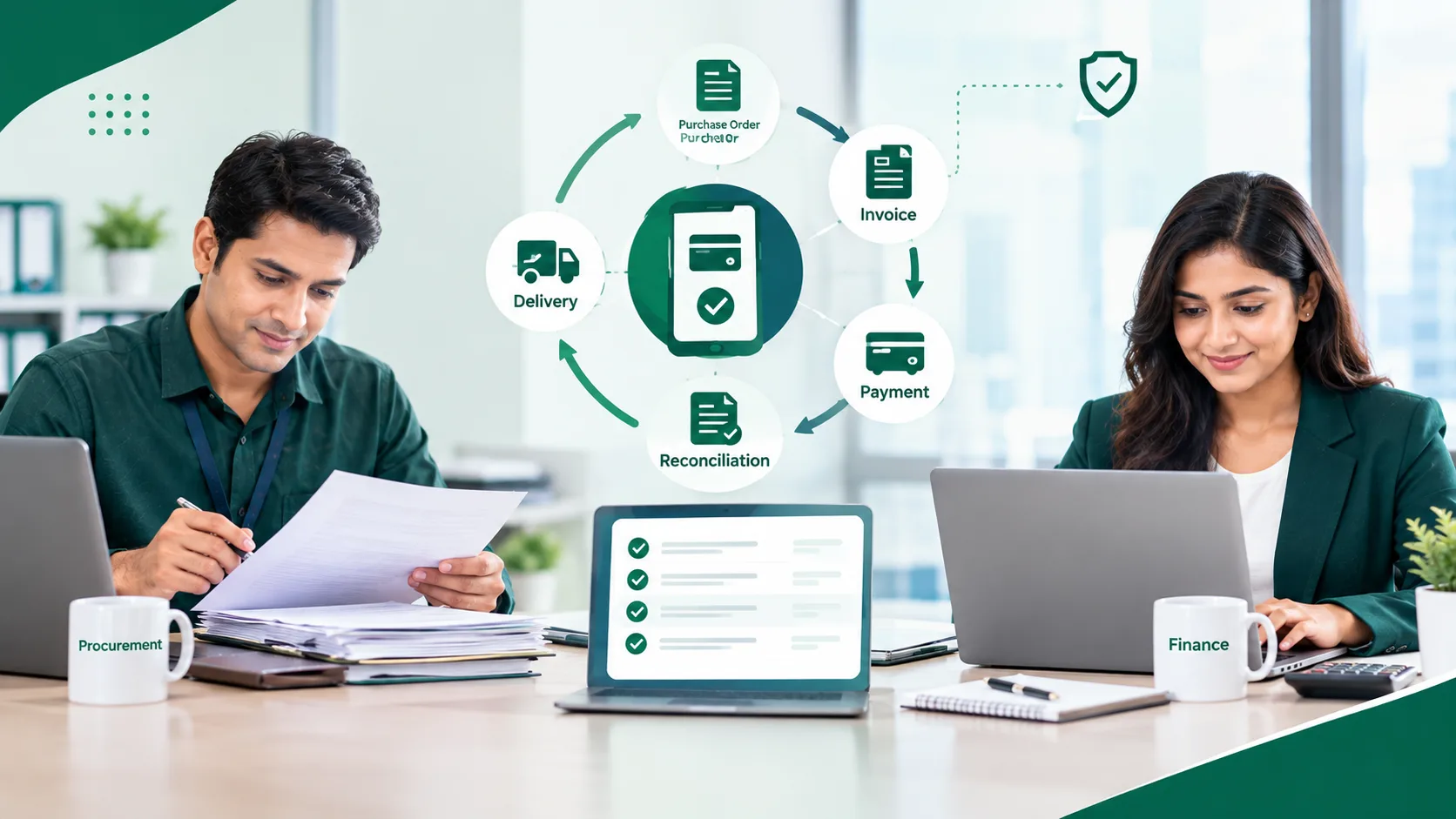
Procurement and finance teams are closely connected when it comes to business payments. Procurement handles purchase orders, suppliers, invoices, and delivery records, while finance reviews payment requests, releases funds, records expenses, and checks financial statements. When these two teams work with separate records, even a simple supplier payment can create confusion.
A digital payment process can make transaction information easier to record and review. Businesses using an online payme...
...
See More →
<p>Procurement and finance teams are closely connected when it comes to business payments. Procurement handles purchase orders, suppliers, invoices, and delivery records, while finance reviews payment requests, releases funds, records expenses, and checks financial statements. When these two teams work with separate records, even a simple supplier payment can create confusion.</p>
<p>A digital payment process can make transaction information easier to record and review. Businesses using an<a href="https://eps.com.bd/"> online payment gateway in Bangladesh</a> can maintain digital transaction details that help finance teams compare payment records with invoices and approved purchases.</p>
<p>The main purpose of payment reconciliation is simple: the business should be able to confirm that the right supplier was paid the right amount for an approved purchase. This requires cooperation between procurement and finance, along with clear records for every transaction.</p>
<h2><strong>What Is Digital Payment Reconciliation?</strong></h2>
<p>Digital payment reconciliation is the process of comparing payment transactions with the documents and records connected to those payments.</p>
<p>For a supplier transaction, this can involve checking:</p>
<ul>
<li>Purchase order</li>
<li>Supplier invoice</li>
<li>Delivery or service confirmation</li>
<li>Approved payment amount</li>
<li>Payment transaction</li>
<li>Accounting entry</li>
<li>Bank or settlement record</li>
</ul>
<p>For example, a company may issue a purchase order for ৳300,000. The supplier sends an invoice for ৳300,000, the goods are received, and finance releases the payment. During reconciliation, the team checks whether all these records agree.</p>
<p>If the payment record shows ৳280,000 while the invoice shows ৳300,000, the difference needs to be investigated. It could be a partial payment, deduction, adjustment, or recording mistake.</p>
<h2><strong>Why Procurement and Finance Need the Same Payment Information</strong></h2>
<p>Procurement and finance may have different responsibilities, but both teams need accurate transaction information.</p>
<p>Procurement needs to know whether a supplier has been paid. Finance needs to know why the payment was made and whether the amount was approved.</p>
<p>Without a shared process, businesses can face problems such as:</p>
<ul>
<li>Duplicate supplier payments</li>
<li>Incorrect payment amounts</li>
<li>Missing invoices</li>
<li>Unmatched purchase orders</li>
<li>Delayed supplier settlements</li>
<li>Unclear payment status</li>
<li>Repeated requests for transaction information</li>
</ul>
<p>These issues can become harder to manage as transaction volume increases.</p>
<p>For example, a business processing 500 supplier invoices every month may have only a small number of transactions requiring manual investigation. Yet if each unresolved case takes 15–20 minutes to review, the accumulated staff time can become substantial.</p>
<p>The figures above are illustrative examples, not industry statistics.</p>
<h2><strong>1. Create a Standard Reconciliation Process</strong></h2>
<p>The first step is to define what procurement and finance should check before and after a payment.</p>
<p>A basic process can look like this:</p>
<p><strong>Purchase Order → Invoice → Delivery Confirmation → Approval → Payment → Reconciliation</strong></p>
<p>Procurement verifies the purchase and supplier information. The receiving team confirms the goods or services. Finance checks the invoice and approval before processing payment. After payment, the transaction is matched with the relevant records.</p>
<p>This structure gives each department a clear responsibility.</p>
<p>Businesses should also decide how exceptions will be handled. Partial deliveries, advance payments, invoice corrections, credit notes, and disputed invoices should have separate procedures.</p>
<h2><strong>2. Match Purchase Orders With Supplier Invoices</strong></h2>
<p>Invoice matching is one of the main parts of payment reconciliation.</p>
<p>Suppose a company orders 200 units at ৳1,500 per unit. The purchase order shows a total value of ৳300,000. The supplier invoice should be checked against the agreed quantity and price.</p>
<p>If the invoice shows 220 units, procurement should confirm whether the additional quantity was approved. Finance should not rely only on the invoice amount when releasing the payment.</p>
<p>This type of checking can identify:</p>
<ul>
<li>Incorrect quantities</li>
<li>Price differences</li>
<li>Unauthorized purchases</li>
<li>Duplicate invoices</li>
<li>Incorrect supplier details</li>
<li>Missing purchase orders</li>
</ul>
<p>For larger businesses, having a consistent invoice reference makes this process easier.</p>
<h2><strong>3. Maintain a Central Payment Register</strong></h2>
<p>A central payment register gives procurement and finance a common reference point.</p>
<p>The register can contain:</p>
<table cellspacing="0" style="border-collapse:collapse; width:569px">
<tbody>
<tr>
<td style="vertical-align:top; width:241px">
<p><strong>Information</strong></p>
</td>
<td style="vertical-align:top; width:328px">
<p><strong>Purpose</strong></p>
</td>
</tr>
<tr>
<td style="vertical-align:top; width:241px">
<p>Supplier name</p>
</td>
<td style="vertical-align:top; width:328px">
<p>Identifies the payee</p>
</td>
</tr>
<tr>
<td style="vertical-align:top; width:241px">
<p>Purchase order number</p>
</td>
<td style="vertical-align:top; width:328px">
<p>Connects payment with procurement</p>
</td>
</tr>
<tr>
<td style="vertical-align:top; width:241px">
<p>Invoice number</p>
</td>
<td style="vertical-align:top; width:328px">
<p>Identifies the supplier bill</p>
</td>
</tr>
<tr>
<td style="vertical-align:top; width:241px">
<p>Approved amount</p>
</td>
<td style="vertical-align:top; width:328px">
<p>Shows the authorized value</p>
</td>
</tr>
<tr>
<td style="vertical-align:top; width:241px">
<p>Transaction reference</p>
</td>
<td style="vertical-align:top; width:328px">
<p>Identifies the digital payment</p>
</td>
</tr>
<tr>
<td style="vertical-align:top; width:241px">
<p>Payment date</p>
</td>
<td style="vertical-align:top; width:328px">
<p>Records when payment was processed</p>
</td>
</tr>
<tr>
<td style="vertical-align:top; width:241px">
<p>Payment status</p>
</td>
<td style="vertical-align:top; width:328px">
<p>Shows completed, pending, or failed</p>
</td>
</tr>
<tr>
<td style="vertical-align:top; width:241px">
<p>Reconciliation status</p>
</td>
<td style="vertical-align:top; width:328px">
<p>Shows whether records match</p>
</td>
</tr>
</tbody>
</table>
<p>This information does not need to be complicated. The main objective is to give authorized staff a consistent record to review.</p>
<p>A business processing 1,000 supplier transactions in a month could use this register to identify unresolved payments without searching through separate spreadsheets.</p>
<h2><strong>4. Track Payment Status Clearly</strong></h2>
<p>A payment request can move through several stages.</p>
<p>For example:</p>
<p><strong>Pending Approval → Approved → Processing → Completed → Reconciled</strong></p>
<p>Some transactions may fail or remain pending. Those records should be clearly marked so that staff do not treat them as completed payments.</p>
<p>Clear status tracking also helps procurement respond to supplier questions. Instead of asking finance to manually search for every payment, procurement can refer to the transaction reference and current status.</p>
<p>This is particularly useful when suppliers have different payment schedules or when a business handles a large number of invoices each month.</p>
<h2><strong>5. Set Clear Responsibilities Between Teams</strong></h2>
<p>Payment reconciliation works better when each department knows exactly what it is responsible for.</p>
<h3><strong>Procurement Team</strong></h3>
<p>Procurement can be responsible for:</p>
<ul>
<li>Supplier information</li>
<li>Purchase order details</li>
<li>Purchase approval</li>
<li>Goods or service confirmation</li>
<li>Invoice submission</li>
</ul>
<h3><strong>Finance Team</strong></h3>
<p>Finance can handle:</p>
<ul>
<li>Invoice verification</li>
<li>Payment approval</li>
<li>Payment processing</li>
<li>Accounting records</li>
<li>Bank or settlement reconciliation</li>
</ul>
<h3><strong>Management</strong></h3>
<p>Management can review:</p>
<ul>
<li>Large-value transactions</li>
<li>Outstanding payments</li>
<li>Unresolved discrepancies</li>
<li>Supplier payment trends</li>
<li>Exceptions requiring approval</li>
</ul>
<p>Clear roles reduce repeated work and make it easier to identify where a payment issue occurred.</p>
<h2><strong>6. Use Digital Payment Records for Faster Reconciliation</strong></h2>
<p>Paper-based payment records can make transaction searches difficult. Digital records provide searchable information such as payment date, amount, transaction reference, and status.</p>
<p>Businesses should review the reporting features available through their payment setup. When considering the best payment gateway Bangladesh option, companies should look beyond payment acceptance and review transaction reporting, settlement information, support, and integration requirements.</p>
<p>The payment system should fit the company's procurement and finance workflow rather than operate as a separate process.</p>
<h2><strong>7. Reconcile Payments on a Regular Schedule</strong></h2>
<p>Businesses do not need to wait until the end of the month to identify payment differences.</p>
<p>A regular reconciliation schedule can be based on transaction volume.</p>
<p>For example:</p>
<ul>
<li><strong>Daily:</strong> Review high-volume payment activity</li>
<li><strong>Weekly:</strong> Check pending and failed supplier payments</li>
<li><strong>Monthly:</strong> Match payment records with accounting and bank records</li>
<li><strong>Quarterly:</strong> Review recurring reconciliation issues</li>
</ul>
<p>Regular checks make it easier to investigate discrepancies while the related invoice and procurement information is still readily available.</p>
<p>A company can also create an exception list containing transactions that require additional review.</p>
<h2><strong>8. Review the Role of Payment Service Providers</strong></h2>
<p>The payment provider is one part of the overall reconciliation process. Procurement and finance teams still need internal controls for purchase approval, invoice verification, and accounting.</p>
<p>When selecting a <a href="https://eps.com.bd/about-us">payment gateway service provider in Bangladesh</a>, businesses should review transaction reporting, settlement procedures, supported payment channels, integration options, and customer support. The provider should be able to supply the transaction information required for the company's reconciliation process.</p>
<p>Companies should also consider whether an easy payment system in Bangladesh fits their supplier and internal payment requirements.</p>
<p>For businesses that use several payment channels, online payment methods in Bangladesh should be reviewed based on transaction volume, supplier requirements, reporting needs, and existing financial systems.</p>
<h2><strong>9. Handle International Supplier Payments Separately</strong></h2>
<p>International supplier payments may involve additional records compared with domestic transactions.</p>
<p>Finance teams may need to review:</p>
<ul>
<li>Currency</li>
<li>Exchange rate</li>
<li>Bank charges</li>
<li>Settlement date</li>
<li>Supplier country</li>
<li>Payment reference</li>
<li>Supporting documents</li>
</ul>
<p>An international payment gateway in Bangladesh may be relevant for certain cross-border payment requirements. Businesses should first confirm supported currencies, transaction types, settlement arrangements, and eligibility.</p>
<p>International transactions should have clear documentation so that procurement and finance can identify the exact supplier obligation connected with each payment.</p>
<h2><strong>10. Use Reconciliation Data to Find Repeated Problems</strong></h2>
<p>Payment reconciliation is not only about checking whether transactions match. The records can also show where payment problems occur repeatedly.</p>
<p>Finance managers can review:</p>
<ul>
<li>Number of invoice mismatches</li>
<li>Duplicate payment attempts</li>
<li>Failed transactions</li>
<li>Pending payments</li>
<li>Missing documents</li>
<li>Average resolution time</li>
<li>Unreconciled transaction value</li>
</ul>
<p>For example, if 30 out of 700 monthly supplier payments require additional investigation, the business can review why those cases occur.</p>
<p>Perhaps most problems come from incomplete purchase orders, incorrect supplier account details, or invoice amounts that do not match approved purchases.</p>
<p>These figures are illustrative and should be replaced with the company's own records when used for internal reporting.</p>
<h2><strong>How EPS Bangladesh Can Support Procurement Payment Requirements</strong></h2>
<p>A business payment process should connect payment activity with the company's wider financial workflow. Procurement teams need clear supplier and purchase information, while finance teams need reliable transaction records for payment verification and accounting.</p>
<p>Businesses can review <a href="https://eps.com.bd/procurement-payment-solutions">procurement payment gateway solutions in Bangladesh</a> from EPS Bangladesh to understand payment options relevant to procurement-related requirements.</p>
<p>Before choosing a payment solution, companies should document their existing workflow and identify where reconciliation takes the most time. They should also determine which transaction information finance needs for accounting and which information procurement needs for supplier communication.</p>
<h2><strong>Building a Better Procurement-Finance Payment Workflow</strong></h2>
<p>Digital payment reconciliation becomes easier when both teams use consistent references, follow the same approval rules, and maintain accurate transaction records.</p>
<p>A practical workflow can be built around five basic stages:</p>
<ol>
<li><strong>Procurement approval</strong> — Confirm the purchase and supplier.</li>
<li><strong>Invoice verification</strong> — Match the invoice with the purchase.</li>
<li><strong>Payment approval</strong> — Confirm the amount and supporting documents.</li>
<li><strong>Digital payment</strong> — Process and record the transaction.</li>
<li><strong>Reconciliation</strong> — Match the payment with procurement and finance records.</li>
</ol>
<p>Businesses can start with a simple payment register and regular reconciliation schedule. Once the basic process is working, they can review system integration and reporting options according to their transaction volume.</p>
<p>A well-organized reconciliation process gives procurement and finance teams a common view of payment activity. It also helps businesses identify discrepancies, answer supplier questions, maintain accounting records, and keep better control over business spending.</p>
<p> </p>
See less
Posted on October 11, 2026
How Online Payments Improve Record-Keeping for Consultants
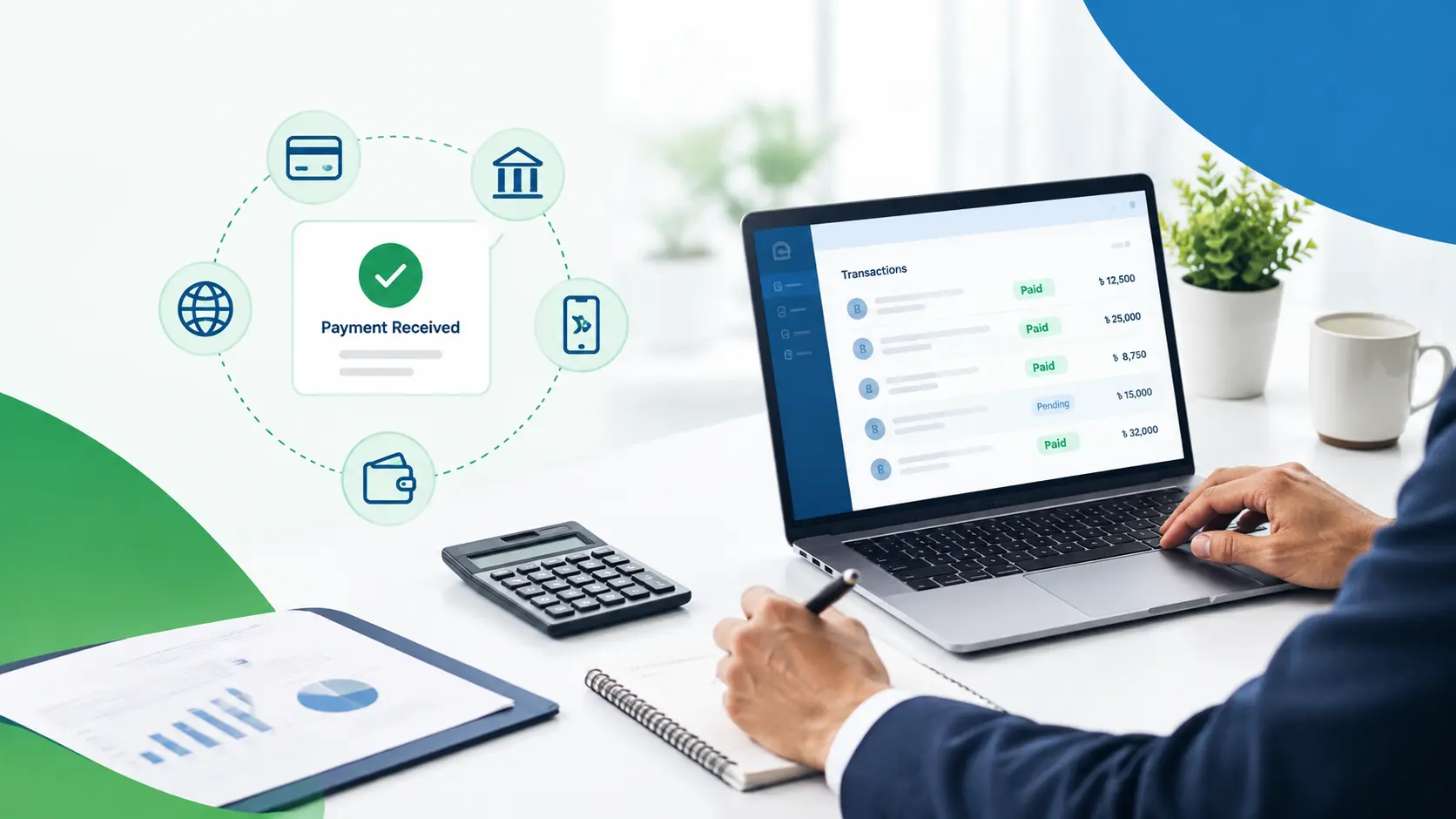
Consultants deal with many financial details throughout the month, from client invoices and project fees to refunds, recurring payments and business expenses. When payments are collected manually through cash or scattered bank transfers, keeping every transaction properly recorded can become difficult. Using an online payment gateway in Bangladesh gives consultants a clearer way to record client payments and match transactions with invoices.
A digital payment process also gives consultants a...
...
See More →
<p>Consultants deal with many financial details throughout the month, from client invoices and project fees to refunds, recurring payments and business expenses. When payments are collected manually through cash or scattered bank transfers, keeping every transaction properly recorded can become difficult. Using an online payment gateway in Bangladesh gives consultants a clearer way to record client payments and match transactions with invoices.</p>
<p>A digital payment process also gives consultants a reliable transaction trail. Each payment can be connected with details such as the amount, date, payer and transaction status. Working with a<a href="https://eps.com.bd/about-us"> payment gateway service provider in Bangladesh</a> can help a consultancy maintain a more organized payment process while reducing the need for manual record updates.</p>
<p>For consulting firms that receive payments from several clients, a dedicated<a href="https://eps.com.bd/consultancy-services-payment-solutions"> payment gateway solution for consultancy services in Bangladesh</a> can make financial administration easier to manage. Instead of checking different payment channels separately, consultants can keep payment information in a more structured system and use it when preparing invoices, financial reports and client statements.</p>
<h2><strong>Why Financial Record-Keeping Matters for Consultants</strong></h2>
<p>Consulting businesses often operate differently from product-based companies. A consultant may charge by project, consultation session, milestone, retainer period or service package. This creates several payment dates and billing arrangements that need to be tracked carefully.</p>
<p>A missing payment entry can create problems later. A consultant may believe an invoice is unpaid when the client has already made the payment, or a payment may be recorded without being matched to the correct invoice.</p>
<p>Good financial records help answer basic business questions:</p>
<ul>
<li>Which clients have paid?</li>
<li>Which invoices are still outstanding?</li>
<li>How much revenue came from each project?</li>
<li>When did a particular payment arrive?</li>
<li>Which payments are recurring?</li>
<li>How much money entered the business during a specific month?</li>
<li>Are the amounts recorded in the accounting system correct?</li>
</ul>
<p>Online payments can make these questions easier to answer because transactions leave a digital record that can be reviewed when needed.</p>
<h2><strong>1. Every Client Payment Creates a Digital Record</strong></h2>
<p>Cash payments often require manual entry into a spreadsheet, notebook or accounting system. This creates an extra step where errors can occur.</p>
<p>An online transaction normally contains information such as the payment amount, transaction date, payment status and transaction reference. Consultants can use these details when updating their financial records.</p>
<p>For example, suppose a consultant sends an invoice for BDT 50,000 for a website strategy project. Once the client pays online, the transaction record can be checked against the invoice. The consultant can then mark the invoice as paid and retain the transaction reference for future records.</p>
<p>This creates a simple connection:</p>
<p><strong>Invoice → Payment → Transaction Reference → Accounting Record</strong></p>
<p>That connection becomes useful when reviewing several months of business activity.</p>
<h2><strong>2. Easier Invoice and Payment Matching</strong></h2>
<p>Invoice matching is one of the areas where digital payments can save administrative time.</p>
<p>Consultants may have 20, 50 or even hundreds of transactions across different projects. Manually identifying which payment belongs to which invoice can take considerable time, especially when several clients pay similar amounts.</p>
<p>A digital payment record gives the consultant another reference point. The transaction ID, client information and payment amount can be compared with the invoice details.</p>
<p>For example:</p>
<table cellspacing="0" style="border-collapse:collapse; width:532px">
<tbody>
<tr>
<td style="vertical-align:top; width:109px">
<p><strong>Invoice</strong></p>
</td>
<td style="vertical-align:top; width:113px">
<p><strong>Amount</strong></p>
</td>
<td style="vertical-align:top; width:149px">
<p><strong>Payment Status</strong></p>
</td>
<td style="vertical-align:top; width:161px">
<p><strong>Transaction Record</strong></p>
</td>
</tr>
<tr>
<td style="vertical-align:top; width:109px">
<p>INV-101</p>
</td>
<td style="vertical-align:top; width:113px">
<p>BDT 25,000</p>
</td>
<td style="vertical-align:top; width:149px">
<p>Paid</p>
</td>
<td style="vertical-align:top; width:161px">
<p>Available</p>
</td>
</tr>
<tr>
<td style="vertical-align:top; width:109px">
<p>INV-102</p>
</td>
<td style="vertical-align:top; width:113px">
<p>BDT 40,000</p>
</td>
<td style="vertical-align:top; width:149px">
<p>Pending</p>
</td>
<td style="vertical-align:top; width:161px">
<p>Not received</p>
</td>
</tr>
<tr>
<td style="vertical-align:top; width:109px">
<p>INV-103</p>
</td>
<td style="vertical-align:top; width:113px">
<p>BDT 60,000</p>
</td>
<td style="vertical-align:top; width:149px">
<p>Paid</p>
</td>
<td style="vertical-align:top; width:161px">
<p>Available</p>
</td>
</tr>
</tbody>
</table>
<p>This type of record makes monthly reconciliation easier and gives the consultant a clearer view of outstanding invoices.</p>
<h2><strong>3. Better Cash Flow Tracking</strong></h2>
<p>Cash flow is closely connected to the timing of client payments. A consultant may have BDT 300,000 worth of invoices but only BDT 180,000 actually received during the month.</p>
<p>Online payment records help separate billed revenue from money that has actually been received.</p>
<p>This distinction matters when planning salaries, software subscriptions, office costs, contractor payments and other business expenses.</p>
<p>For example:</p>
<ul>
<li>January invoices: BDT 450,000</li>
<li>January payments received: BDT 320,000</li>
<li>Outstanding invoices: BDT 130,000</li>
</ul>
<p>Instead of looking only at total invoices, the consultant can see the amount actually collected.</p>
<h2><strong>4. Easier Monthly Financial Reporting</strong></h2>
<p>Consultants often need monthly or quarterly reports to understand how their business is performing. These reports may include total income, unpaid invoices, project revenue and payment activity.</p>
<p>Having digital transaction records makes the information easier to collect.</p>
<p>A consultant can group payments by:</p>
<ul>
<li>Month</li>
<li>Client</li>
<li>Project</li>
<li>Service</li>
<li>Payment status</li>
<li>Transaction amount</li>
</ul>
<p>This can help create cleaner financial reports without relying entirely on handwritten notes or scattered payment confirmations.</p>
<h2><strong>5. Fewer Manual Data Entry Errors</strong></h2>
<p>Manual record-keeping creates several opportunities for mistakes.</p>
<p>A payment of BDT 35,000 could accidentally be entered as BDT 30,000. A transaction date could be entered incorrectly. A payment could also be recorded against the wrong client.</p>
<p>Digital payment records provide original transaction information that can be checked against accounting entries.</p>
<p>This does not remove the need for proper bookkeeping. Consultants should still review their records regularly. But having a digital transaction trail gives them better source information for that review.</p>
<h2><strong>6. Easier Expense and Revenue Reconciliation</strong></h2>
<p>Consultants need to compare money received with their invoices and business expenses. Reconciliation helps identify differences between expected and actual amounts.</p>
<p>For example, a consultant may have:</p>
<ul>
<li>Client payments: BDT 500,000</li>
<li>Refunds: BDT 20,000</li>
<li>Payment charges: BDT 8,000</li>
<li>Net amount received: BDT 472,000</li>
</ul>
<p>Keeping these details separate gives a more accurate picture of the business's financial position.</p>
<p>A clear transaction history can also help when an accountant reviews the business records.</p>
<h2><strong>7. Useful for Tax and Accounting Preparation</strong></h2>
<p>Proper financial records are useful when preparing tax documents and accounting reports. Consultants may need to review income from different clients across a financial year.</p>
<p>Instead of searching through emails, screenshots and bank messages, they can refer to organized payment records.</p>
<p>Bangladesh Bank's recent payment data shows how quickly digital payment activity is growing. Its FY2024–25 Annual Report states that interbank digital payment volume increased by 11.3% year over year, while transaction value increased by 4.9%.</p>
<p>Bangladesh Bank's data also shows that digital transaction volume reached 56% of total financial-system transactions by June 2024, up from 51% in December 2023.</p>
<p>For consultants, this wider shift toward digital transactions means maintaining accurate digital payment records is becoming increasingly relevant to day-to-day financial administration.</p>
<h2><strong>8. Multiple Payment Options Can Help Client Collections</strong></h2>
<p>Different clients may prefer different payment channels. Some may use cards, bank-based transfers or mobile financial services.</p>
<p>The availability of several online payment methods in Bangladesh can give consultants more ways to collect project fees without asking every client to follow the same payment process.</p>
<p>The important point is not simply accepting more payment types. The payment information should remain organized after the transaction is completed.</p>
<h2><strong>9. International Clients Need Better Payment Records</strong></h2>
<p>Consultants working with overseas clients have another layer of financial administration. They may receive payments in foreign currencies, work with clients across different countries and need to maintain records for each transaction.</p>
<p>An international payment gateway in Bangladesh can be relevant for businesses that need to accept payments from clients outside the country, subject to applicable banking, foreign-exchange and payment regulations.</p>
<p>For international consulting work, keeping records of the client, payment date, currency, amount and transaction reference can help maintain clearer financial documentation.</p>
<h2><strong>10. Choosing a Payment System for a Consulting Business</strong></h2>
<p>Consultants should look beyond the ability to simply accept a payment. The payment process should also support proper financial administration.</p>
<p>Before selecting a payment provider, consider:</p>
<ul>
<li>Available payment channels</li>
<li>Transaction reporting</li>
<li>Payment status information</li>
<li>Transaction references</li>
<li>Settlement information</li>
<li>Refund handling</li>
<li>Security measures</li>
<li>Integration options</li>
<li>Support for local and international clients</li>
<li>Compatibility with existing accounting processes</li>
</ul>
<p>The<a href="https://eps.com.bd/"> best payment gateway Bangladesh</a> businesses choose will depend on their client base, payment volume, services and reporting requirements.</p>
<h2><strong>Final Thoughts</strong></h2>
<p>Financial record-keeping does not have to become a monthly struggle for consultants. When payment information is captured digitally, it becomes easier to match invoices, check received payments, monitor outstanding amounts and prepare financial reports.</p>
<p>Bangladesh Bank's payment-system data also reflects continued growth in digital transactions. During January–June 2025, BEFTN handled more than 184 million transactions, while NPSB handled more than 84 million transactions, according to Bangladesh Bank's payment-platform data.</p>
<p>For a consulting business, the practical benefit is clear: every client payment can become part of a more organized financial record instead of remaining as a separate confirmation, message or manual entry.</p>
<p>A good payment process should therefore support both collecting money and keeping track of it. When these two activities work together, consultants have a clearer view of their revenue, outstanding invoices and overall financial activity.</p>
See less
Posted on October 04, 2026
How RMG Businesses Can Improve Employee Salary Disbursement Tracking
The ready-made garment industry involves a large workforce, multiple production units, factory locations, and regular salary disbursements. For finance and HR teams, paying employees is only one part of the task. They also need to confirm who has been paid, identify pending transactions, maintain records, and resolve payment-related questions.
As factories grow, managing salary payments through paper records, spreadsheets, or several disconnected payment channels can become difficult. A suita...
...
See More →
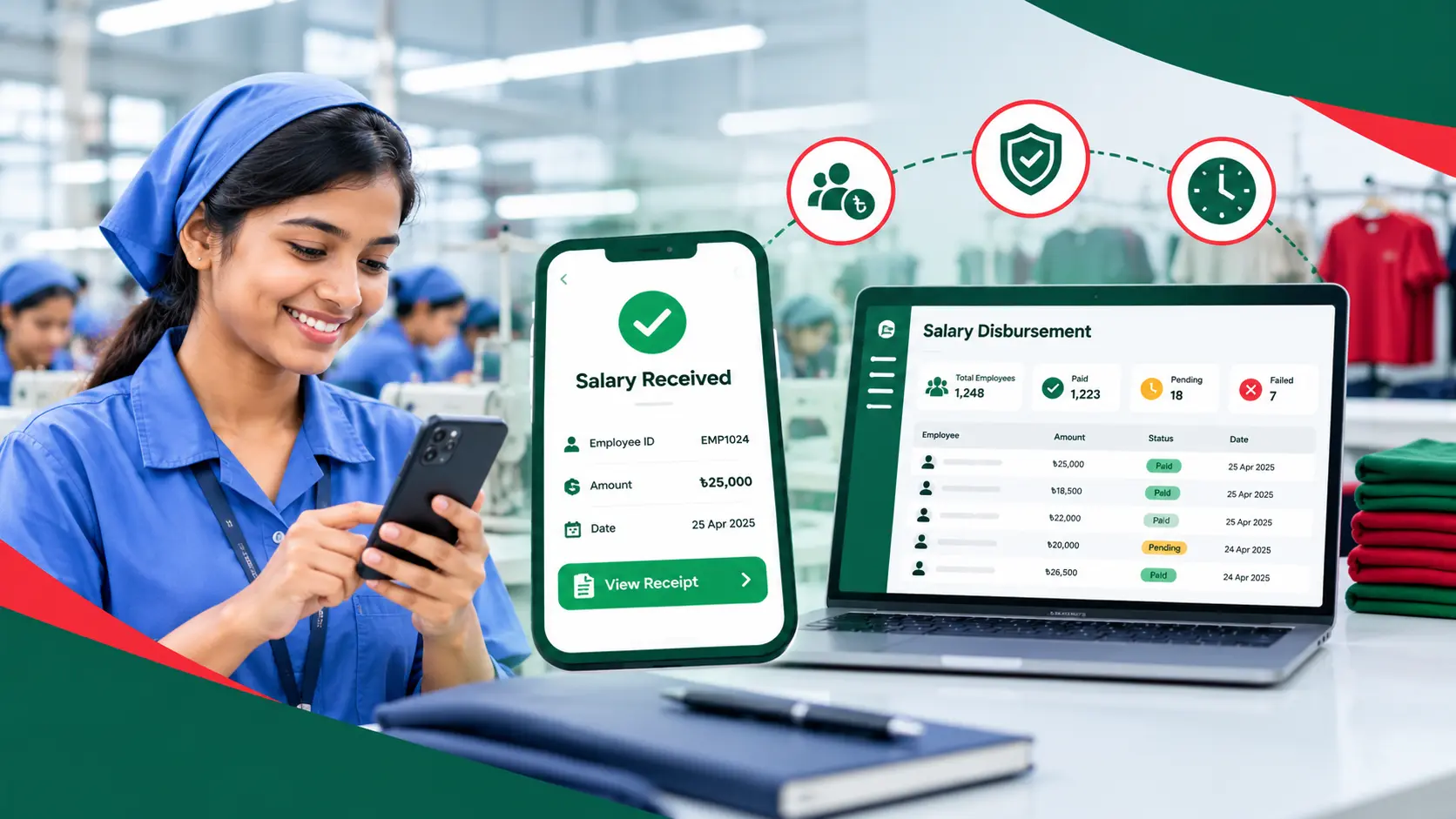
<p>The ready-made garment industry involves a large workforce, multiple production units, factory locations, and regular salary disbursements. For finance and HR teams, paying employees is only one part of the task. They also need to confirm who has been paid, identify pending transactions, maintain records, and resolve payment-related questions.</p>
<p>As factories grow, managing salary payments through paper records, spreadsheets, or several disconnected payment channels can become difficult. A suitable<a href="https://eps.com.bd/"> online payment gateway in Bangladesh</a> can form part of a broader digital payment process, giving businesses a structured way to manage transactions and payment records.</p>
<p>For garment manufacturers looking for sector-specific options,<a href="https://www.eps.com.bd/rmg-industry-payment-solutions"> RMG Industry Payment Gateway Solutions in Bangladesh</a> can support the broader payment requirements of the industry. A salary payment process should be planned around workforce size, payment frequency, employee information, financial controls, and the company's existing banking or payment arrangements.</p>
<p>This guide explains how RMG businesses can improve employee salary disbursement tracking and reduce the administrative difficulties that often come with large-scale salary payments.</p>
<h2><strong>Why Salary Disbursement Tracking Matters in RMG?</strong></h2>
<p>Salary payments are usually time-sensitive. Employees expect their wages to arrive according to the agreed payment schedule. A delay, incorrect amount, or unclear payment status can quickly create questions for HR and accounts teams.</p>
<p>A garment factory with 1,500 employees, for example, may need to process 1,500 salary transactions during a payment cycle. If even 2% of those transactions require manual checking, that means around 30 cases may need additional attention.</p>
<p>The 2% figure is an illustrative example, not an industry benchmark.</p>
<p>The larger the workforce, the more useful a structured tracking process becomes. Finance teams need to know:</p>
<ul>
<li>How many salary payments were initiated</li>
<li>How many were completed</li>
<li>Which transactions are pending</li>
<li>Which payments failed</li>
<li>Which employees require additional verification</li>
<li>Whether the total disbursed amount matches the payroll record</li>
</ul>
<p>A clear system can make these checks easier.</p>
<h3>1. Start With Accurate Employee Payroll Information</h3>
<p>Salary tracking begins before the payment is sent.</p>
<p>Employee information should be reviewed regularly so that payroll records contain the correct details. Depending on the organization's process, this may include:</p>
<ul>
<li>Employee name</li>
<li>Employee ID</li>
<li>Department</li>
<li>Factory or production unit</li>
<li>Salary amount</li>
<li>Bank or payment account details</li>
<li>Payment period</li>
<li>Relevant deductions</li>
<li>Payment status</li>
</ul>
<p>A small error in an account number or employee record can cause a payment to fail or reach the wrong destination.</p>
<p>RMG companies often have employees joining, leaving, changing departments, or moving between production units. Payroll information should reflect these changes before each salary cycle.</p>
<p>A defined approval process can also help. For example, the HR team can verify employee records while the accounts team checks salary amounts before the payment file or transaction batch is processed.</p>
<h3>2. Create a Single Salary Payment Record</h3>
<p>One of the common problems with manual salary management is that information may exist in different files.</p>
<p>The HR department may have one spreadsheet, accounts may maintain another record, and bank transaction information may be stored separately.</p>
<p>This makes reconciliation harder.</p>
<p><br />
</p>
<p>A centralized salary payment record can contain:</p>
<table cellspacing="0" style="border-collapse:collapse; width:546px">
<tbody>
<tr>
<td style="vertical-align:top; width:283px">
<p><strong>Information</strong></p>
</td>
<td style="vertical-align:top; width:263px">
<p><strong>Purpose</strong></p>
</td>
</tr>
<tr>
<td style="vertical-align:top; width:283px">
<p>Employee ID</p>
</td>
<td style="vertical-align:top; width:263px">
<p>Identifies the employee</p>
</td>
</tr>
<tr>
<td style="vertical-align:top; width:283px">
<p>Salary period</p>
</td>
<td style="vertical-align:top; width:263px">
<p>Shows which month or cycle was paid</p>
</td>
</tr>
<tr>
<td style="vertical-align:top; width:283px">
<p>Net salary</p>
</td>
<td style="vertical-align:top; width:263px">
<p>Confirms the payable amount</p>
</td>
</tr>
<tr>
<td style="vertical-align:top; width:283px">
<p>Transaction reference</p>
</td>
<td style="vertical-align:top; width:263px">
<p>Helps track the payment</p>
</td>
</tr>
<tr>
<td style="vertical-align:top; width:283px">
<p>Payment date</p>
</td>
<td style="vertical-align:top; width:263px">
<p>Records when payment was processed</p>
</td>
</tr>
<tr>
<td style="vertical-align:top; width:283px">
<p>Status</p>
</td>
<td style="vertical-align:top; width:263px">
<p>Shows successful, pending, or failed</p>
</td>
</tr>
<tr>
<td style="vertical-align:top; width:283px">
<p>Remarks</p>
</td>
<td style="vertical-align:top; width:263px">
<p>Records any special issue</p>
</td>
</tr>
</tbody>
</table>
<p>With these fields in one place, the accounts team can compare payroll data with payment information more easily.</p>
<h3>3. Use Digital Payment Channels for Salary Disbursement</h3>
<p>Digital payment channels can reduce the need for manual cash handling and paper-based records.</p>
<p>Before selecting a solution, RMG businesses should review the online payment methods in Bangladesh that are suitable for their payment requirements.</p>
<p>The appropriate choice depends on factors such as:</p>
<ul>
<li>Number of employees</li>
<li>Payment frequency</li>
<li>Employee access to banking or digital accounts</li>
<li>Transaction volume</li>
<li>Existing payroll systems</li>
<li>Settlement arrangements</li>
<li>Reporting requirements</li>
</ul>
<p>A factory may process several hundred or several thousand salary payments at once. The payment process should give the finance team enough information to identify individual transactions and review their status.</p>
<p>The goal is not simply to send money digitally. The business also needs a reliable record of what happened after each payment was initiated.</p>
<h3>4. Track Payment Status After Disbursement</h3>
<p>Sending a salary payment does not necessarily mean the payment process is finished.</p>
<p>Finance teams should be able to identify whether a transaction is:</p>
<ul>
<li>Successful</li>
<li>Pending</li>
<li>Failed</li>
<li>Returned</li>
<li>Under review</li>
</ul>
<p>Suppose a factory sends 2,000 salary payments and its payment records show 1,970 successful transactions, 20 pending transactions, and 10 failed transactions. The accounts team immediately knows which 30 cases require attention.</p>
<p>This example demonstrates the value of transaction-level tracking. The figures are illustrative and should not be treated as an industry statistic.</p>
<p>Without status information, staff may need to manually compare bank records, payroll files, employee complaints, and payment confirmations.</p>
<h3>5. Match Payroll Data With Transaction Records</h3>
<p>Reconciliation is one of the most important parts of salary disbursement tracking.</p>
<p>The payroll system may show that an employee should receive ৳25,000. The payment record should then show a corresponding transaction for that employee and amount.</p>
<p>The accounts team can compare:</p>
<p>Payroll amount → Payment amount → Transaction status → Settlement record</p>
<p>If the figures do not match, the team can investigate before closing the salary cycle.</p>
<p>For a factory processing 1,500 salaries, even a small number of mismatches can create extra administrative work. A structured reconciliation process helps staff identify those cases without checking every transaction manually from the beginning.</p>
<p>Businesses should also keep records of corrections and adjustments so that there is a clear history of what happened.</p>
<h3>6. Give Employees Clear Payment Confirmation</h3>
<p>Employees may contact HR when they are unsure whether their salary has been processed.</p>
<p>A clear payment confirmation process can reduce repeated questions.</p>
<p>Depending on the payment setup, employees may receive:</p>
<ul>
<li>Transaction confirmation</li>
<li>Payment reference</li>
<li>Payment date</li>
<li>Salary amount</li>
<li>Digital receipt or notification</li>
</ul>
<p>The information should be easy to understand.</p>
<p>For example, instead of simply showing "Transaction Completed," a payment notification could include the payment date, reference number, and relevant salary period.</p>
<p>This gives employees information they can refer to when contacting HR or accounts.</p>
<h3>7. Create a Process for Failed Salary Payments</h3>
<p>Failed salary transactions require quick attention because they directly affect employees.</p>
<p>RMG businesses should define what happens when a salary payment does not reach an employee.</p>
<p>A simple process can include:</p>
<ol>
<li>Identify the failed transaction.</li>
<li>Check the employee's payment information.</li>
<li>Confirm the reason or transaction status.</li>
<li>Correct the relevant information if required.</li>
<li>Reprocess the payment according to internal approval rules.</li>
<li>Record the action taken.</li>
<li>Confirm the updated status.</li>
</ol>
<p>The employee should also receive appropriate communication when a payment issue is being reviewed.</p>
<p>A written process reduces confusion between HR, accounts, factory management, and the employee concerned.</p>
<h3>8. Keep Access to Salary Information Controlled</h3>
<p>Salary information is sensitive business and employee data. RMG businesses should carefully control who can view or change payroll and payment records.</p>
<p>Access can be assigned according to job responsibilities.</p>
<p>For example:</p>
<ul>
<li>HR may manage employee information.</li>
<li>Accounts may process and reconcile salary payments.</li>
<li>Factory management may access selected reports.</li>
<li>Senior management may review summary information.</li>
</ul>
<p>User accounts should be reviewed when employees change roles or leave the organization.</p>
<p>Businesses should also keep a record of important changes to payroll information where the system supports such functionality.</p>
<h3>9. Review the Payment Process After Every Salary Cycle</h3>
<p>A salary payment cycle provides useful information about what worked and what caused problems.</p>
<p>After each cycle, the finance or payroll team can review:</p>
<ul>
<li>Total number of employees paid</li>
<li>Total salary amount</li>
<li>Failed transactions</li>
<li>Pending transactions</li>
<li>Reconciliation differences</li>
<li>Employee payment complaints</li>
<li>Time spent resolving payment issues</li>
</ul>
<p>Suppose a company processes 1,800 salary transactions and receives 25 payment-related complaints during one cycle. The team can categorize those complaints to identify repeated issues.</p>
<p>Perhaps 12 were related to payment confirmation, 8 were related to account information, and 5 involved other issues. Such internal data can show where process changes may be useful.</p>
<p>These numbers are examples rather than reported RMG industry statistics.</p>
<h3>10. Select a Payment Provider That Fits RMG Requirements</h3>
<p>Payment requirements can differ from one garment business to another. A small factory and a large group with several production units may need different payment arrangements.</p>
<p>When reviewing a payment gateway service provider in Bangladesh, RMG businesses should ask about:</p>
<ul>
<li>Transaction capacity</li>
<li>Payment channels</li>
<li>Transaction reporting</li>
<li>Settlement process</li>
<li>Payment confirmation</li>
<li>Support availability</li>
<li>Integration requirements</li>
<li>Security procedures</li>
</ul>
<p>Businesses should also understand the provider's terms and conditions before starting salary-related transactions.</p>
<p>The best payment gateway Bangladesh option for one company may not necessarily be the right choice for another. The decision should be based on workforce size, payment volume, existing financial processes, and the type of payment service required.</p>
<h2><strong>What About International Employees or Overseas Transactions?</strong></h2>
<p>Most employee salary payments in RMG factories are domestic. Some companies, especially groups with international operations, may also have overseas payment requirements.</p>
<p>If your organization needs to make or receive international transactions, review whether an international payment gateway in Bangladesh fits the intended use case.</p>
<p>Before selecting such a service, check:</p>
<ul>
<li>Supported countries</li>
<li>Supported currencies</li>
<li>Settlement process</li>
<li>Business eligibility</li>
<li>Transaction conditions</li>
<li>Verification requirements</li>
</ul>
<p>International payment facilities should only be included when they match actual business needs.</p>
<h2><strong>Build a Better Salary Tracking Process</strong></h2>
<p>A digital salary disbursement process is not only about sending employee payments. It also involves accurate payroll information, transaction records, payment confirmation, reconciliation, failed-payment handling, and controlled access.</p>
<p>RMG businesses can start by mapping their current salary process and identifying where manual work takes the most time. The next step is to define the information that HR and accounts teams need before, during, and after every salary cycle.</p>
<p>An easy payment system in Bangladesh can support this process when it is selected according to the company's workforce, transaction requirements, and existing financial operations.</p>
<p>For RMG businesses, the aim should be a payment process where employees receive clear payment information and finance teams can quickly identify successful, pending, and failed transactions.</p>
<p>With proper planning, digital records, and a payment setup that fits the company's requirements, salary disbursement tracking can become a more organized part of the overall payroll process. EPS Bangladesh provides payment solutions for different business sectors, including the RMG industry, allowing businesses to review payment services according to their specific operational requirements.</p>
See less
Posted on September 28, 2026

How to Build a Reliable Digital Payment Strategy for Businesses in Bangladesh
For businesses in Bangladesh, collecting payments is no longer limited to cash, cheques, or direct bank deposits. Customers now use different digital channels to pay for products, services, subscriptions, education, food, healthcare, and other purchases. This change gives businesses more ways to collect money, but it also creates a need for a clear payment plan. A suitable online payment gateway in Bangladesh can become part of that plan by giving businesses a structured way to accept digital tr...
...
See More →
<p>For businesses in Bangladesh, collecting payments is no longer limited to cash, cheques, or direct bank deposits. Customers now use different digital channels to pay for products, services, subscriptions, education, food, healthcare, and other purchases. This change gives businesses more ways to collect money, but it also creates a need for a clear payment plan. A suitable online payment gateway in Bangladesh can become part of that plan by giving businesses a structured way to accept digital transactions.<br />
A reliable payment strategy starts with understanding how money moves through your business. A small consultancy firm may collect a few dozen client payments each month, while an e-commerce company may handle thousands of transactions. An educational institution may collect tuition and admission fees, while a restaurant may receive payments throughout the day. Each business needs a payment setup that matches its customers, transaction volume, and daily operations.<br />
Businesses can also review education payment gateway solutions when they serve educational institutions or manage education-related collections. The same principle applies to other industries: payment systems should be selected according to the actual requirements of the business rather than simply choosing a provider because it is widely known.<br />
What Is a Digital Payment Strategy?<br />
A digital payment strategy is a plan for accepting, processing, recording, monitoring, and reconciling business payments through digital channels.<br />
It covers much more than the payment page a customer sees. A complete plan should consider:<br />
Which payment options customers can use<br />
How transactions are confirmed<br />
How payment records are maintained<br />
How failed transactions are handled<br />
How refunds are processed<br />
How payments are matched with orders or invoices<br />
How funds are settled<br />
Who has access to payment information<br />
How the business monitors transaction activity<br />
Without a clear plan, a business may end up using several payment channels without a proper process for tracking them. This can create extra work for sales, customer service, accounting, and management teams.<br />
1. Start With Your Business Requirements<br />
Before selecting a payment solution, make a list of the payments your business receives.<br />
For example, an online store may receive:<br />
Product orders<br />
Advance payments<br />
Delivery-related charges<br />
Refunds<br />
Promotional or discounted orders<br />
A consultancy firm may deal with consultation fees, project payments, retainers, and advance deposits.<br />
An educational institution may collect admission fees, tuition fees, examination fees, registration fees, and other charges.<br />
The first step is to understand the payment flow from the moment a customer receives an invoice or places an order to the point where the business receives and records the money.<br />
Also consider transaction volume. A business receiving 100 transactions per month may have different requirements from one receiving 10,000.<br />
For example, if a business processes 500 payments each month and spends around five minutes manually checking each transaction, that represents more than 41 hours of checking time. This is an illustrative calculation rather than an industry benchmark, but it shows why payment management deserves proper planning.<br />
2. Understand Your Customers<br />
A payment strategy should be based on customer behaviour.<br />
Ask yourself:<br />
Who makes the payment?<br />
Where do customers usually make purchases?<br />
Do they pay from mobile devices or computers?<br />
Do they need payment links?<br />
Do they prefer cards, bank-based payments, or mobile options?<br />
Are your customers local or international?<br />
The range of online payment methods in Bangladesh should be reviewed according to your customer base and business model.<br />
For example, a restaurant may need a quick payment option for customers placing online orders. A B2B company may need invoice-based payments. An e-commerce business may require a website checkout process that works well on mobile devices.<br />
Customer feedback can also help. Suppose a company speaks with 100 customers and finds that 72 prefer mobile-based payment while 18 prefer cards and 10 prefer other options. That internal survey could guide the company's payment priorities. The figures here are an example, not a general market statistic.<br />
3. Compare Payment Providers Carefully<br />
Searching for the best payment gateway Bangladesh is only the starting point. Businesses should compare providers based on their own requirements.<br />
Look at:<br />
Payment Coverage<br />
Check which payment channels are available and whether they match the needs of your customers.<br />
Transaction Process<br />
Understand how customers start a payment, how the transaction is confirmed, and how the business receives the status.<br />
Settlement<br />
Review settlement timing, account requirements, transaction conditions, and any applicable charges.<br />
Reporting<br />
A finance team needs clear transaction records. Check whether reports contain the information required for reconciliation and accounting.<br />
Customer Support<br />
Payment problems can affect customers and sales. Review how technical issues, failed transactions, refunds, and other payment queries are handled.<br />
Integration<br />
If your business uses a website, e-commerce platform, accounting system, CRM, or other software, check how the payment service fits into the existing setup.<br />
The goal is not to find one provider that looks good on paper. The goal is to find a payment arrangement that matches your actual business requirements.<br />
4. Make Payment Easy for Customers<br />
Customers should understand what they need to pay, how they can pay, and what happens after the transaction.<br />
An easy payment system in Bangladesh should provide clear instructions and a familiar process for the intended customer group.<br />
For online businesses, the payment page should clearly show:<br />
Product or service name<br />
Total amount<br />
Available payment options<br />
Required customer information<br />
Payment status<br />
Support contact<br />
For service businesses, the invoice or payment request should contain the client's name, service details, amount due, payment instructions, and relevant reference information.<br />
A confusing payment process can result in customers contacting support before completing a transaction. Businesses can test the process internally by asking several people who were not involved in its development to complete a sample payment. Their questions can reveal areas that need clearer instructions.<br />
5. Keep Transaction Records Organized<br />
Payment collection and accounting should work together.<br />
Every transaction should have enough information for the business to identify what was paid, who paid it, when it was paid, and which order, invoice, or service it relates to.<br />
Useful records can include:<br />
Transaction ID<br />
Payment date<br />
Amount<br />
Customer or account reference<br />
Payment status<br />
Order or invoice number<br />
Refund status<br />
Settlement information<br />
Suppose a business receives 1,000 transactions during a month. Even if only 2% require manual checking, that still means 20 transactions need additional attention.<br />
This is why businesses should establish a regular reconciliation process. The finance team can compare payment records with orders, invoices, and settlement statements to identify mismatches.<br />
6. Create a Process for Failed Payments<br />
Not every payment attempt will be completed successfully.<br />
A transaction may fail because of incorrect information, insufficient funds, technical issues, connectivity problems, or other reasons.<br />
Businesses should have a clear procedure for handling these situations.<br />
For example:<br />
Check the transaction status.<br />
Confirm whether money was actually deducted.<br />
Avoid asking the customer to pay again before checking the original transaction.<br />
Record the issue.<br />
Contact the relevant payment support channel when required.<br />
Update the customer about the next step.<br />
This process can prevent duplicate payments and reduce confusion for both customers and employees.<br />
7. Give Security Proper Attention<br />
Payment security should be part of the business process from the start.<br />
Employees who have access to payment dashboards should receive only the access they need. Passwords should be protected, user accounts should be reviewed, and suspicious activity should be reported.<br />
Businesses should also avoid keeping sensitive customer payment information unless there is a legitimate business reason and an appropriate security arrangement.<br />
Staff training matters as well. Employees should know how to handle unusual refund requests, suspicious payment messages, unexpected account changes, and requests for confidential information.<br />
A payment provider's security and compliance information should also be reviewed before the business starts processing transactions.<br />
8. Plan for Refunds and Customer Support<br />
A payment strategy is incomplete if it only covers successful transactions.<br />
Businesses should have a clear process for refunds, cancellations, duplicate charges, and disputed payments.<br />
For example, an online store could define:<br />
Who can approve a refund<br />
What information is required<br />
How the refund is recorded<br />
How the customer is notified<br />
How the transaction is reconciled afterward<br />
A written process helps different employees handle similar cases in the same way.<br />
Customer support teams should also know where to find transaction information. If a customer says, "I paid but my order is still pending," the support agent should know what information to request and which team should investigate the transaction.<br />
9. Consider International Customers<br />
Some Bangladeshi businesses serve customers outside the country. This can include software companies, consultants, educational businesses, travel companies, exporters, and online service providers.<br />
If international customers are part of your business model, review whether an international payment gateway in Bangladesh fits your requirements.<br />
Before selecting such a service, check:<br />
Supported countries<br />
Supported currencies<br />
Settlement arrangements<br />
Verification requirements<br />
Transaction conditions<br />
Applicable fees<br />
Business eligibility<br />
Do not add international payment facilities simply because they are available. If your customers are entirely local, local payment options may be enough for your current needs.<br />
10. Review Payment Performance Regularly<br />
A payment strategy should be reviewed using your own business data.<br />
Some useful measurements include:<br />
Metric<br />
What to Review<br />
Completed payments<br />
Number of successful transactions<br />
Failed payments<br />
Number of unsuccessful attempts<br />
Pending payments<br />
Transactions awaiting confirmation<br />
Refunds<br />
Number and value of returned payments<br />
Settlement time<br />
Time between transaction and settlement<br />
Support requests<br />
Payment-related customer issues<br />
Reconciliation differences<br />
Mismatches between records</p>
<p>For example, if a business processes 2,000 payment attempts in one month and 60 fail, the internal failure rate is 3%. The business can compare this figure with previous months to see whether the situation is improving or getting worse. This is an example calculation, not a general Bangladesh market figure.<br />
Regular reviews also help businesses decide when their current payment setup needs changes.<br />
11. Choose a Payment Partner Based on Your Needs<br />
A business should assess the provider's payment coverage, transaction process, reporting, settlement arrangements, support, security information, and integration requirements before making a decision.<br />
When evaluating a payment gateway service provider in Bangladesh, review the company's services and determine whether they match your business model and customer requirements.<br />
EPS Bangladesh provides payment solutions for businesses across different sectors, including education, RMG, consultancy, procurement, retail, e-commerce, healthcare, restaurants, agriculture, and government services.<br />
The right payment arrangement may look different for every business. What works for an online retailer may not be suitable for a school, hospital, restaurant, or manufacturing company.<br />
Build a Payment Strategy That Fits Your Business<br />
Building a reliable digital payment strategy in Bangladesh starts with a clear understanding of your business, customers, transaction volume, and payment requirements.<br />
Start by mapping your existing payment process. Identify where customers face difficulty, where employees spend time on manual work, and where transaction records become difficult to manage. Then compare payment providers based on the services your business actually needs.<br />
A well-planned payment process can give customers clearer payment options while giving business teams better control over transaction records, settlements, refunds, and daily financial operations.<br />
For businesses planning to expand their digital payment setup, EPS Bangladesh can be considered as a payment partner based on the company's specific requirements and service needs.<br />
</p>
See less
Posted on September 26, 2026
How Businesses Can Build a Reliable Digital Payment Strategy in Bangladesh
For many businesses in Bangladesh, accepting payments is no longer limited to cash or traditional bank deposits. Customers now expect convenient ways to pay for products, services, subscriptions, and business fees. A company that cannot provide suitable payment options may face delayed collections, missed sales, and additional administrative work.
Building a reliable digital payment strategy requires more than adding a payment button to a website. Businesses need to consider customer preferen...
...
See More →
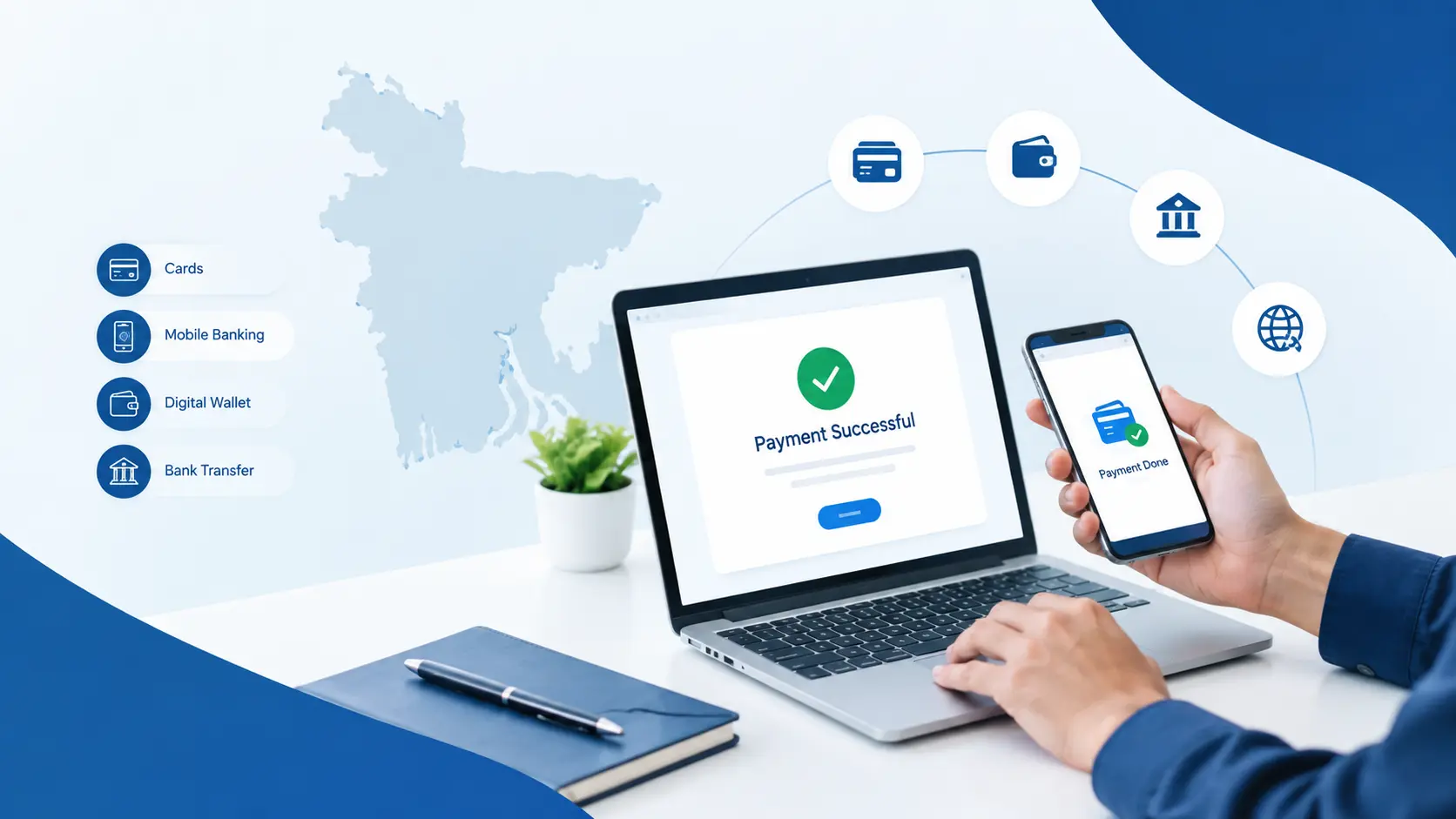
<p>For many businesses in Bangladesh, accepting payments is no longer limited to cash or traditional bank deposits. Customers now expect convenient ways to pay for products, services, subscriptions, and business fees. A company that cannot provide suitable payment options may face delayed collections, missed sales, and additional administrative work.</p>
<p>Building a reliable digital payment strategy requires more than adding a payment button to a website. Businesses need to consider customer preferences, transaction security, payment records, settlement procedures, and long-term operational requirements. A suitable<a href="https://eps.com.bd/"> online payment gateway in Bangladesh</a> can become part of this process by helping businesses accept payments through digital channels.</p>
<p>The right strategy depends on the nature of the business, its customers, transaction volume, and sales channels. A small consultancy firm may have different needs from an e-commerce store, restaurant, educational institution, or manufacturing company. Before selecting a payment solution, businesses should understand their current challenges and set clear payment-related goals.</p>
<p>This guide explains how businesses in Bangladesh can build a practical digital payment strategy and what they should consider before choosing a payment partner.</p>
<h2><strong>What Is a Digital Payment Strategy?</strong></h2>
<p>A digital payment strategy is a structured plan for receiving, managing, recording, and reconciling payments through electronic channels. It covers the payment methods a business accepts, how customers complete transactions, how payment information is tracked, and how funds are settled.</p>
<p>For example, an online store may accept customer payments through a website, while a consultancy firm may send payment links to clients. A school may collect tuition fees, and a restaurant may accept payments at its counter or through online orders.</p>
<p>Each business needs a payment process that matches its operating model.</p>
<p>A practical digital payment strategy should answer several questions:</p>
<ul>
<li>Which payment methods do customers prefer?</li>
<li>How will the business receive and confirm payments?</li>
<li>How will transaction records be maintained?</li>
<li>Who will monitor failed or pending payments?</li>
<li>How will refunds and customer complaints be handled?</li>
<li>What reporting information does the finance team need?</li>
</ul>
<p>Answering these questions before implementation can help businesses avoid unnecessary complications.</p>
<h3>1. Understand Your Business Payment Requirements</h3>
<p>The first step is to review how your business currently receives money. Start by identifying the types of payments you collect and the people who make those payments.</p>
<p>A business may receive:</p>
<ul>
<li>Product payments from customers</li>
<li>Service fees from clients</li>
<li>Monthly subscriptions</li>
<li>Admission or registration fees</li>
<li>Supplier or vendor settlements</li>
<li>Advance payments</li>
<li>Recurring membership fees</li>
</ul>
<p>Payment frequency also matters. A company processing 30 transactions per day may have different requirements from a business processing 3,000 transactions per day.</p>
<p>For example, a consultancy firm may need payment links and invoice-related records. An e-commerce business may require website checkout, payment confirmation, and refund management. A school may need a system that supports several fee categories.</p>
<p>Create a basic payment requirement sheet that includes transaction volume, payment types, customer groups, sales channels, and reporting needs. This will help you compare payment solutions based on actual business requirements instead of choosing a service only because it is popular.</p>
<h3>2. Study Customer Payment Preferences</h3>
<p>Customers should not have to face unnecessary difficulties when paying for a product or service. Your payment strategy should reflect the payment habits of your target audience.</p>
<p>The available online payment methods in Bangladesh may vary based on the payment provider, business type, customer location, and transaction requirements. Businesses should review which options are suitable for their customers and industry.</p>
<p>Consider the following questions:</p>
<ul>
<li>Do customers prefer mobile-based payments?</li>
<li>Do they frequently use cards or bank accounts?</li>
<li>Are customers paying through websites, social media, or physical locations?</li>
<li>Do business clients require invoices or payment links?</li>
<li>Are international customers part of your target market?</li>
</ul>
<p>You can collect this information through customer feedback, sales records, and support conversations. A simple review of 100 recent customer transactions, for example, may show that most buyers prefer one payment channel while a smaller group uses another.</p>
<p>This is an illustrative approach, not a universal market statistic. Your own transaction data should guide your decisions.</p>
<h3>3. Select a Suitable Payment Provider</h3>
<p>Choosing a payment provider is one of the central decisions in a digital payment strategy. The service should match your transaction needs, business model, and customer base.</p>
<p>Many businesses search for the best payment gateway Bangladesh when starting their research. Rather than relying only on promotional claims, compare the services using clear criteria.</p>
<p>Review These Factors</p>
<ul>
<li><strong>Payment options:</strong> Check whether the provider supports the payment channels your customers use.</li>
<li><strong>Transaction processing:</strong> Understand how payments are initiated, confirmed, and recorded.</li>
<li><strong>Settlement process:</strong> Review settlement schedules, applicable conditions, and how funds reach your business account.</li>
<li>Reporting: Check whether transaction reports are available in a format your finance team can use.</li>
<li><strong>Customer support: </strong>Understand how payment failures, disputes, and technical issues are handled.</li>
<li><strong>Integration requirements:</strong> Review whether the payment solution can work with your website, software, or existing workflow.</li>
</ul>
<p>For example, a business that processes around 500 transactions each month may prioritize clear reporting and customer support. A company processing 20,000 transactions may also require more detailed monitoring, reconciliation, and operational controls.</p>
<p>The right choice should be based on your requirements and the provider's documented capabilities.</p>
<p> </p>
<h3>4. Provide a Clear Payment Experience</h3>
<p>A customer may leave a transaction unfinished if the payment process is confusing. Businesses should review every stage, from selecting a payment method to receiving confirmation.</p>
<p>A clear payment experience usually includes:</p>
<ol>
<li>A visible payment option</li>
<li>Accurate pricing and payable amounts</li>
<li>Clear payment instructions</li>
<li>Appropriate security checks</li>
<li>A confirmation message after payment</li>
<li>A support contact for payment-related questions</li>
</ol>
<p>For online businesses, the checkout page should communicate the amount due and the available payment options clearly. For service providers, payment instructions should match the invoice and agreed terms.</p>
<p>A business can test its payment process by asking a few employees or selected customers to complete a transaction. Record the time required, points of confusion, and any messages that need clarification.</p>
<p>For instance, if five out of 20 test users ask where to find payment confirmation, the confirmation process may need improvement. This type of internal testing provides practical insight without relying on unsupported industry-wide claims.</p>
<h3>5. Maintain Accurate Transaction Records</h3>
<p>Payment collection and financial record-keeping should work together. A transaction may be completed by the customer, but the business still needs to record the amount, date, reference number, and payment status.</p>
<p>A proper record system can help teams identify:</p>
<ul>
<li>Completed payments</li>
<li>Pending transactions</li>
<li>Failed payment attempts</li>
<li>Refund requests</li>
<li>Duplicate entries</li>
<li>Unmatched settlement amounts</li>
</ul>
<p>Businesses should decide who will review transaction records and how frequently reconciliation will take place.</p>
<p>A small business might review its transactions daily, while a larger organization may require separate checks by the finance and operations teams. The appropriate schedule depends on transaction volume and business risk.</p>
<p>For example, if a business receives 200 payments in a day and finds 8 transactions that do not match its internal records, the finance team should investigate those entries before final reconciliation.</p>
<p>This example illustrates why record matching matters; it is not a reported industry benchmark.</p>
<h3>6. Plan for Payment Security</h3>
<p>Security should be part of the payment strategy from the beginning. Businesses handle customer information and financial transaction details, so access and monitoring procedures need careful attention.</p>
<p>Some practical steps include:</p>
<ul>
<li>Restricting access to payment dashboards</li>
<li>Using strong passwords and appropriate authentication</li>
<li>Reviewing user permissions regularly</li>
<li>Avoiding the storage of sensitive information without a valid need</li>
<li>Checking transaction reports for unusual activity</li>
<li>Training staff on common payment-related scams</li>
</ul>
<p>Employees should know how to identify suspicious payment requests, unexpected account changes, and unusual refund instructions.</p>
<p>Businesses should also review the security information and compliance responsibilities provided by their selected payment partner. The exact requirements may vary according to the payment setup, transaction type, and applicable regulations.</p>
<p>Security is not only a technical matter. Internal approval procedures and staff awareness also play a role in protecting business transactions.</p>
<h3>7. Create a Payment Failure and Refund Process</h3>
<p>Even with a suitable payment system, some transactions may fail or remain pending. Customers need clear instructions about what to do next.</p>
<p>Your business should prepare a simple process for handling:</p>
<ul>
<li>Failed payments</li>
<li>Delayed confirmations</li>
<li>Duplicate payments</li>
<li>Refund requests</li>
<li>Incorrect payment amounts</li>
<li>Unrecognized transactions</li>
</ul>
<p>For example, if a customer reports that money was deducted but the order status is still pending, the support team should collect the relevant transaction details and follow the provider's verification process.</p>
<p>Avoid asking customers to repeat payments before checking the original transaction status. This can create duplicate charges and further confusion.</p>
<p>A written internal procedure can help employees respond consistently. It should explain who handles the issue, what information is required, and how the customer will receive an update.</p>
<h3>8. Consider International Payment Requirements</h3>
<p>Some Bangladeshi businesses work with overseas clients, tourists, foreign buyers, or international service users. Their payment requirements may differ from businesses serving only local customers.</p>
<p>A business searching for an international payment gateway in Bangladesh should first identify its target countries, transaction currencies, service eligibility, settlement requirements, and applicable restrictions.</p>
<p>Before selecting a provider, clarify:</p>
<ul>
<li>Which countries and currencies are supported?</li>
<li>What transaction conditions apply?</li>
<li>How are international payments settled?</li>
<li>Are additional verification steps required?</li>
<li>What fees or exchange-related conditions may apply?</li>
</ul>
<p>Not every business needs international payment functionality. If your customers are based entirely in Bangladesh, a local payment setup may meet your current requirements. If you plan to serve overseas customers, assess those needs before making a decision.</p>
<h3>9. Monitor Performance and Review the Strategy</h3>
<p>A digital payment strategy should be reviewed regularly. The goal is to identify operational problems and understand how customers use the available payment channels.</p>
<p><br />
</p>
<table cellspacing="0" style="border-collapse:collapse; width:624px">
<tbody>
<tr>
<td style="border-bottom:1px solid #000000; border-left:1px solid #000000; border-right:1px solid #000000; border-top:1px solid #000000; vertical-align:top; width:197px">
<p>Metric</p>
</td>
<td style="border-bottom:1px solid #000000; border-left:1px solid #000000; border-right:1px solid #000000; border-top:1px solid #000000; vertical-align:top; width:427px">
<p>What It Helps You Understand</p>
</td>
</tr>
<tr>
<td style="border-bottom:1px solid #000000; border-left:1px solid #000000; border-right:1px solid #000000; border-top:1px solid #000000; vertical-align:top; width:197px">
<p>Payment completion rate</p>
</td>
<td style="border-bottom:1px solid #000000; border-left:1px solid #000000; border-right:1px solid #000000; border-top:1px solid #000000; vertical-align:top; width:427px">
<p>How many initiated transactions are completed </p>
</td>
</tr>
<tr>
<td style="border-bottom:1px solid #000000; border-left:1px solid #000000; border-right:1px solid #000000; border-top:1px solid #000000; vertical-align:top; width:197px">
<p>Failed payment count</p>
</td>
<td style="border-bottom:1px solid #000000; border-left:1px solid #000000; border-right:1px solid #000000; border-top:1px solid #000000; vertical-align:top; width:427px">
<p>Frequency of unsuccessful transactions </p>
</td>
</tr>
<tr>
<td style="border-bottom:1px solid #000000; border-left:1px solid #000000; border-right:1px solid #000000; border-top:1px solid #000000; vertical-align:top; width:197px">
<p>Refund volume</p>
</td>
<td style="border-bottom:1px solid #000000; border-left:1px solid #000000; border-right:1px solid #000000; border-top:1px solid #000000; vertical-align:top; width:427px">
<p>Number of payments requiring reversal </p>
</td>
</tr>
<tr>
<td style="border-bottom:1px solid #000000; border-left:1px solid #000000; border-right:1px solid #000000; border-top:1px solid #000000; vertical-align:top; width:197px">
<p>Settlement time</p>
</td>
<td style="border-bottom:1px solid #000000; border-left:1px solid #000000; border-right:1px solid #000000; border-top:1px solid #000000; vertical-align:top; width:427px">
<p>Time taken for funds to reach the business </p>
</td>
</tr>
<tr>
<td style="border-bottom:1px solid #000000; border-left:1px solid #000000; border-right:1px solid #000000; border-top:1px solid #000000; vertical-align:top; width:197px">
<p>Support requests</p>
</td>
<td style="border-bottom:1px solid #000000; border-left:1px solid #000000; border-right:1px solid #000000; border-top:1px solid #000000; vertical-align:top; width:427px">
<p>Common customer payment problems </p>
</td>
</tr>
<tr>
<td style="border-bottom:1px solid #000000; border-left:1px solid #000000; border-right:1px solid #000000; border-top:1px solid #000000; vertical-align:top; width:197px">
<p>Reconciliation differences</p>
</td>
<td style="border-bottom:1px solid #000000; border-left:1px solid #000000; border-right:1px solid #000000; border-top:1px solid #000000; vertical-align:top; width:427px">
<p>Mismatches between payment and internal records </p>
</td>
</tr>
</tbody>
</table>
<p> </p>
<p>Suppose a business reviews 1,000 payment attempts in one month and finds that 40 were unsuccessful. The resulting 4% failure rate is an internal example, not a verified industry average. The business can investigate the causes and compare the figure with its own results over time.</p>
<p>Regular review helps management decide whether the current payment process meets customer and operational requirements.</p>
<h3>10. Choose a Payment Partner That Matches Your Needs</h3>
<p>A reliable payment strategy combines suitable technology, clear processes, staff responsibility, and regular monitoring. No single setup is suitable for every business.</p>
<p>When evaluating a<a href="https://eps.com.bd/about-us"> payment gateway service provider in Bangladesh</a>, review its available services, supported payment options, business requirements, reporting facilities, and support process. Ask specific questions before making a commitment, and confirm any commercial or technical conditions directly with the provider.</p>
<p>EPS Bangladesh offers payment solutions for businesses across different industries, including education, RMG, consultancy, procurement, retail, healthcare, e-commerce, and other sectors. Businesses can review the relevant service options based on their operating needs.</p>
<h2><strong>Final Thoughts</strong></h2>
<p>Building a reliable digital payment strategy in Bangladesh starts with understanding your business and customers. From selecting payment methods to managing transaction records, each part of the process should support clear operations and a convenient customer experience.</p>
<p>Start by reviewing your business payment requirements, customer preferences, transaction volume, and operational challenges. Then select a payment solution that fits your needs, maintain accurate records, and regularly review payment performance.</p>
<p>With the right planning and a suitable payment partner, businesses can create a more organized payment process that supports daily operations and long-term growth. EPS Bangladesh provides digital payment solutions for businesses across different industries, helping them manage their payment requirements through suitable digital channels.</p>
<p> </p>
See less
Posted on September 19, 2026
Manage News & Blogs
| Title | Content | Image | Actions |
|---|---|---|---|
| Digital Payment Reconciliation Between Procurement and Finance Teams | Procurement and finance teams are closely connecte... |
|
|
| How Online Payments Improve Record-Keeping for Consultants | Consultants deal with many financial details throu... |
|
|
| How RMG Businesses Can Improve Employee Salary Disbursement Tracking | The ready-made garment industry involves a large w... |
|
|
| How to Build a Reliable Digital Payment Strategy for Businesses in Bangladesh | For businesses in Bangladesh, collecting payments... |
|
|
| How Businesses Can Build a Reliable Digital Payment Strategy in Bangladesh | For many businesses in Bangladesh, accepting payme... |
|
|